About Practical Architecture
Practical Architecture is about how people become better at what they do. It looks beyond technical knowledge to the judgement, reflection, communication and collaboration that help people do good work together.
It is for anyone involved in creating the built environment who wants to keep improving, whatever their discipline, role or stage of their career.
Through experience, observations, stories, research and practical ideas, Practical Architecture makes more of this learning visible and helps people develop their practice more deliberately.
Why it matters
Much of what makes someone a good practitioner has always been learned informally: by watching others, working alongside experienced people, making mistakes and reflecting on what happened.
Technology has transformed practice for the better, but we have also quietly drifted away from some of the conditions that helped people learn. Covid and hybrid working accelerated that change. AI will take it further.
We cannot rely on professional practice being learned by accident. We need to understand what worked, preserve the underlying principles and find better ways to develop professionals for the future.
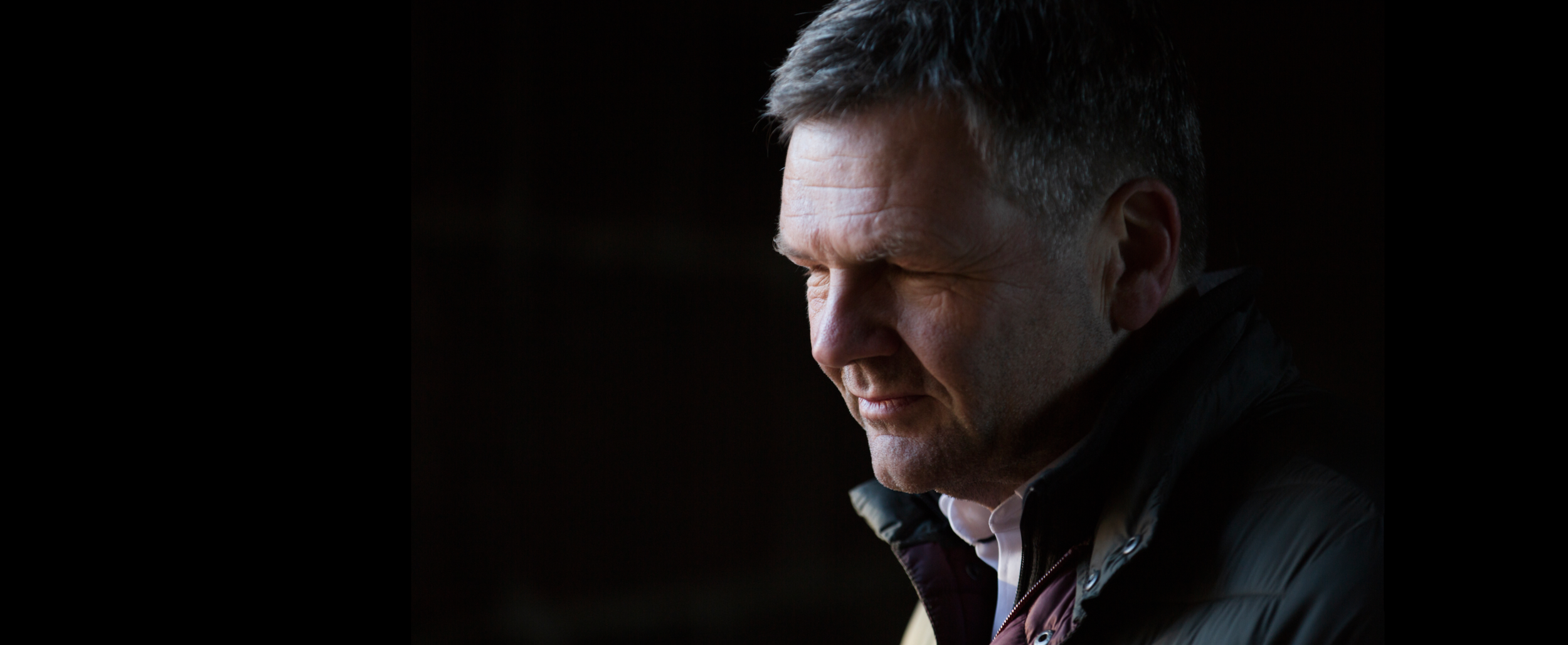
About Andy Foster
I trained as an engineer and then as an architect, and have spent more than forty years working across design and construction, from major practices to running my own architectural studio.
Alongside project work, I have been interested in how people learn and develop. I co-founded the Arup Design School and have continued to teach and mentor throughout my career.
Having experienced practice from drawing boards and physical models through to BIM and digital workflows, I remain fascinated by what we should preserve, what we should change and how we can learn better.
Projects
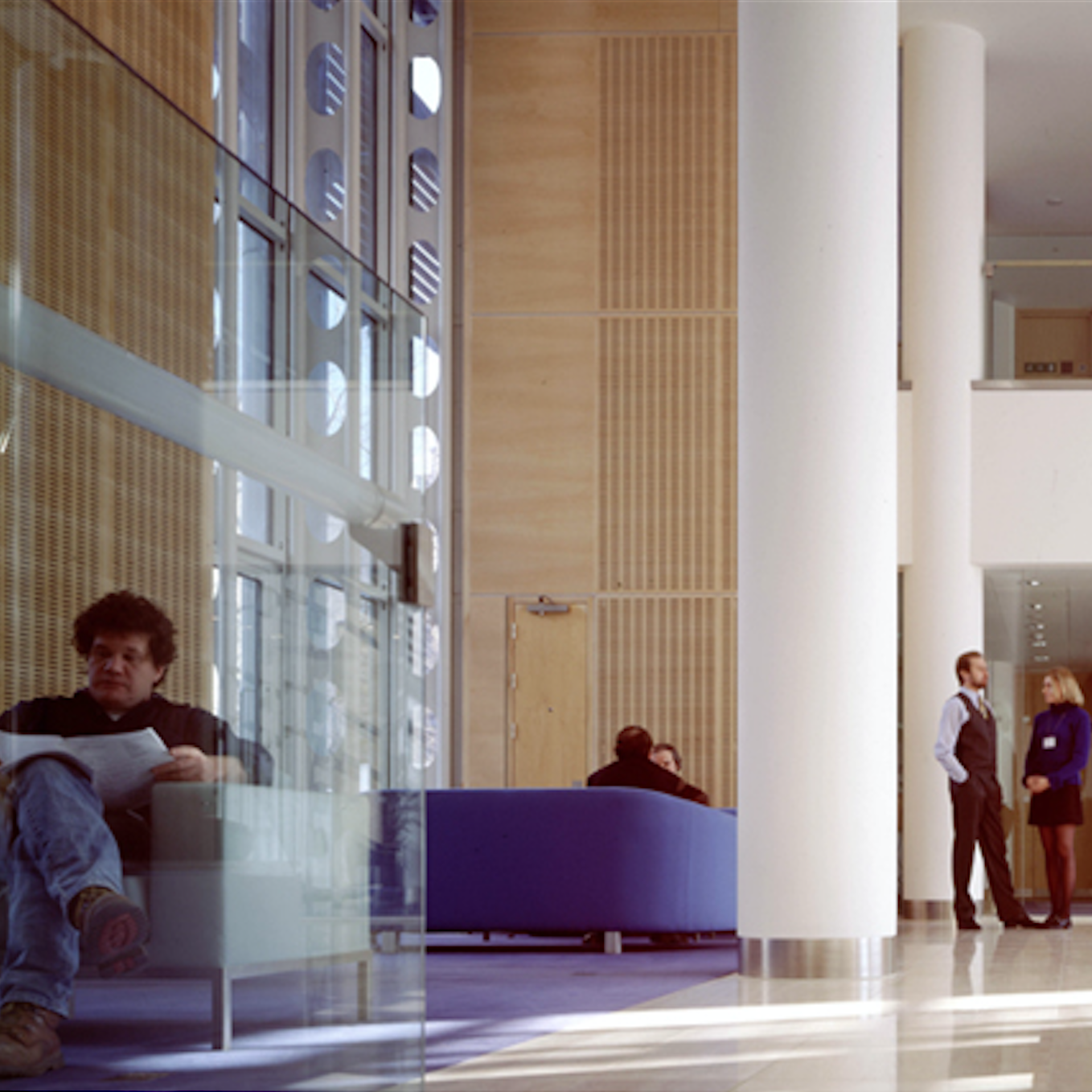
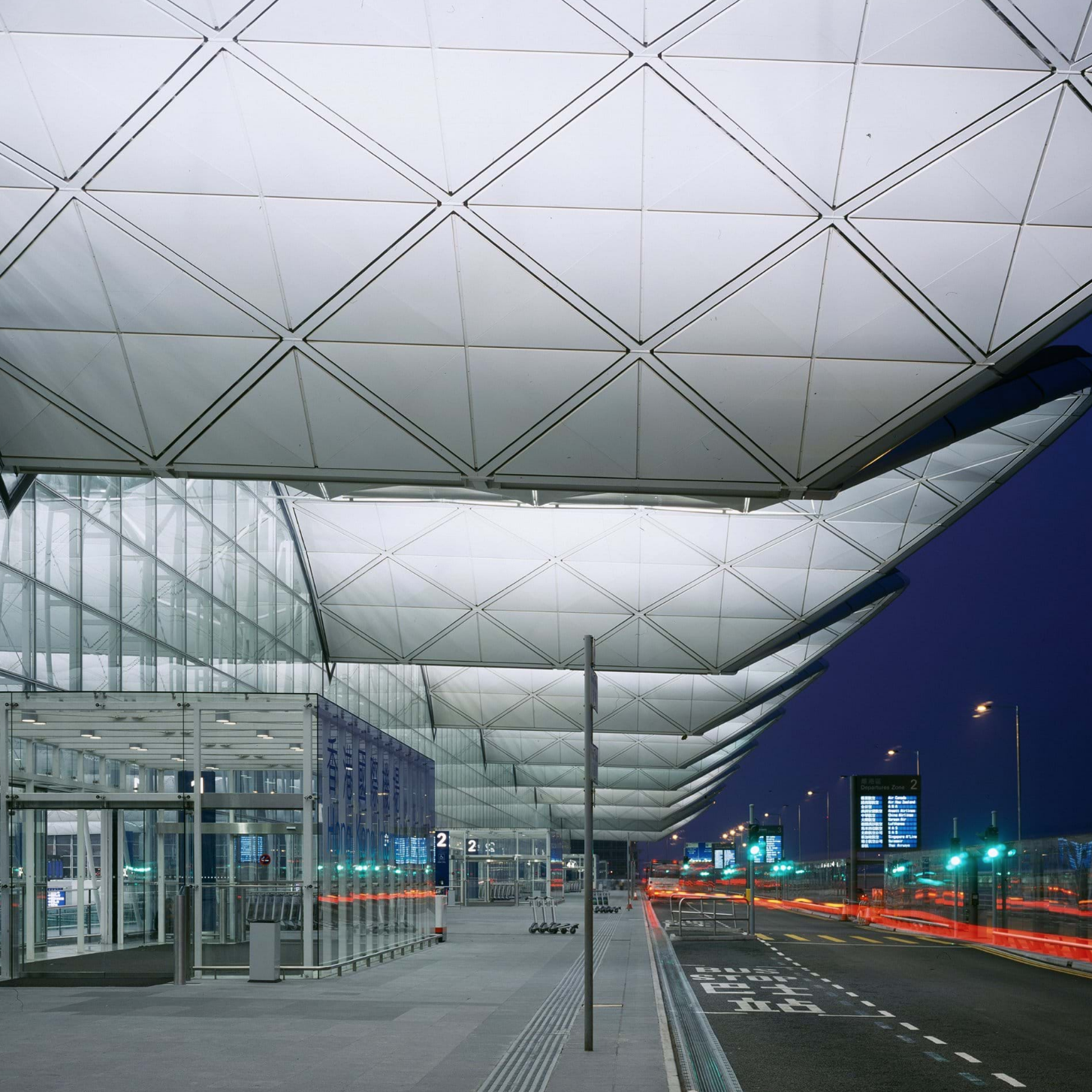
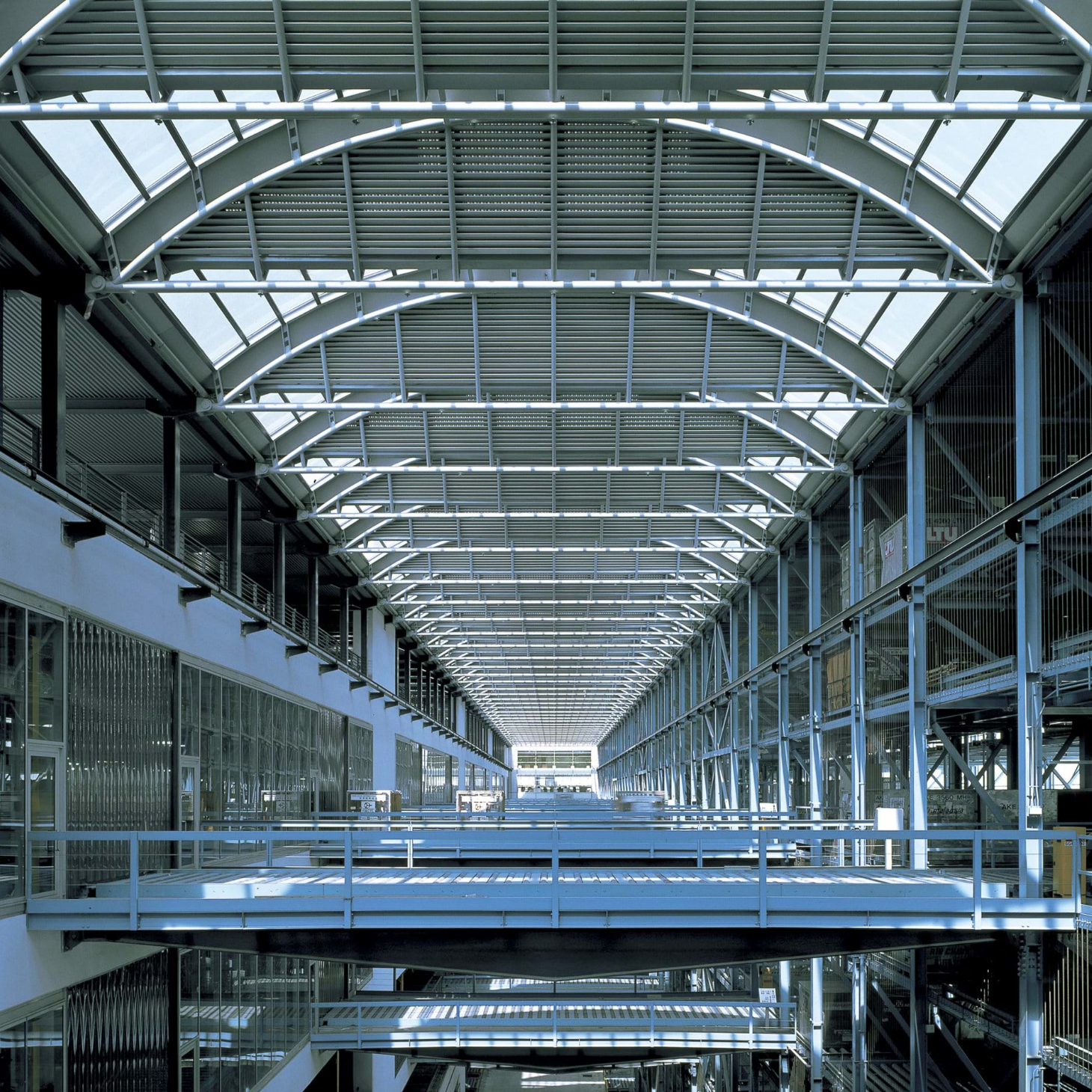
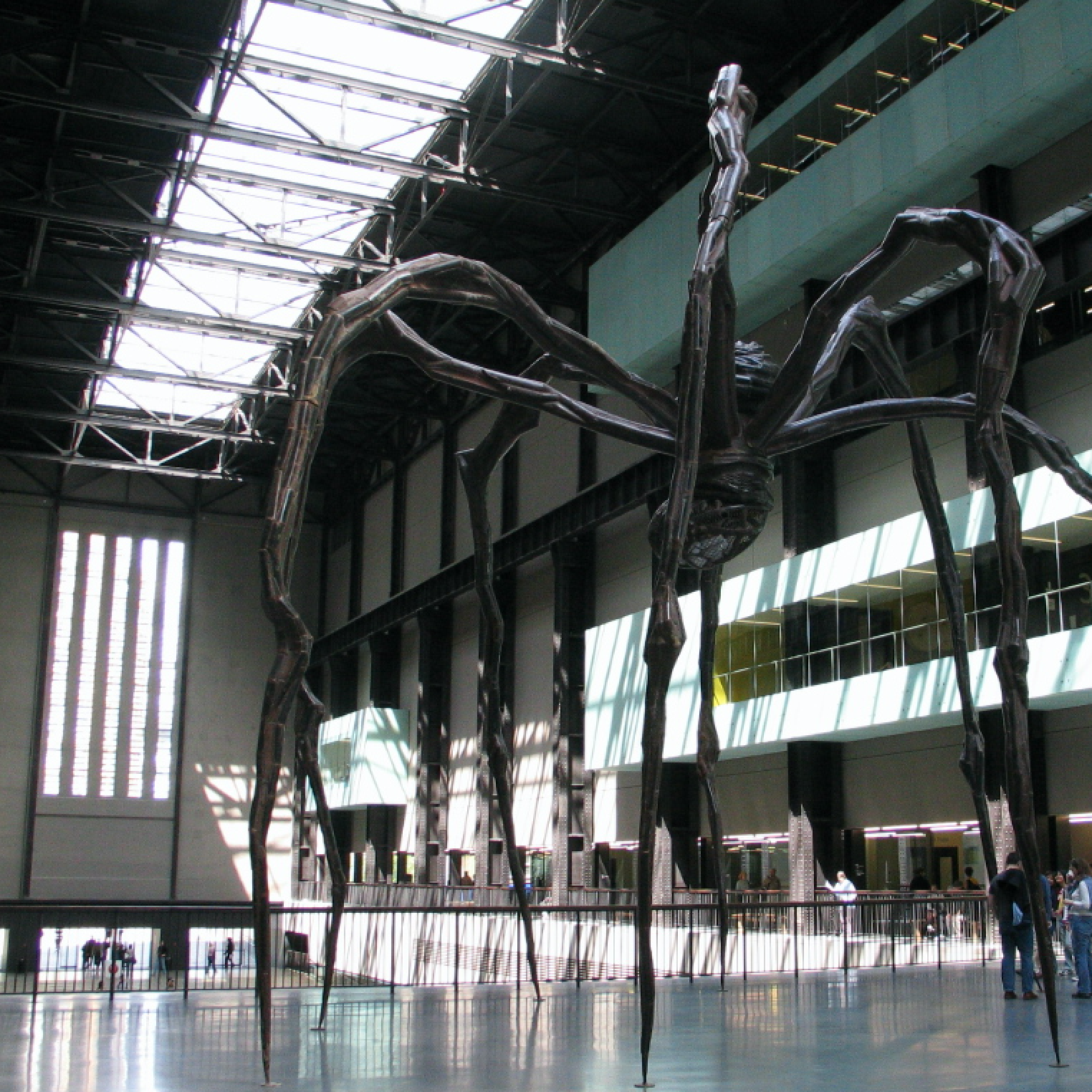
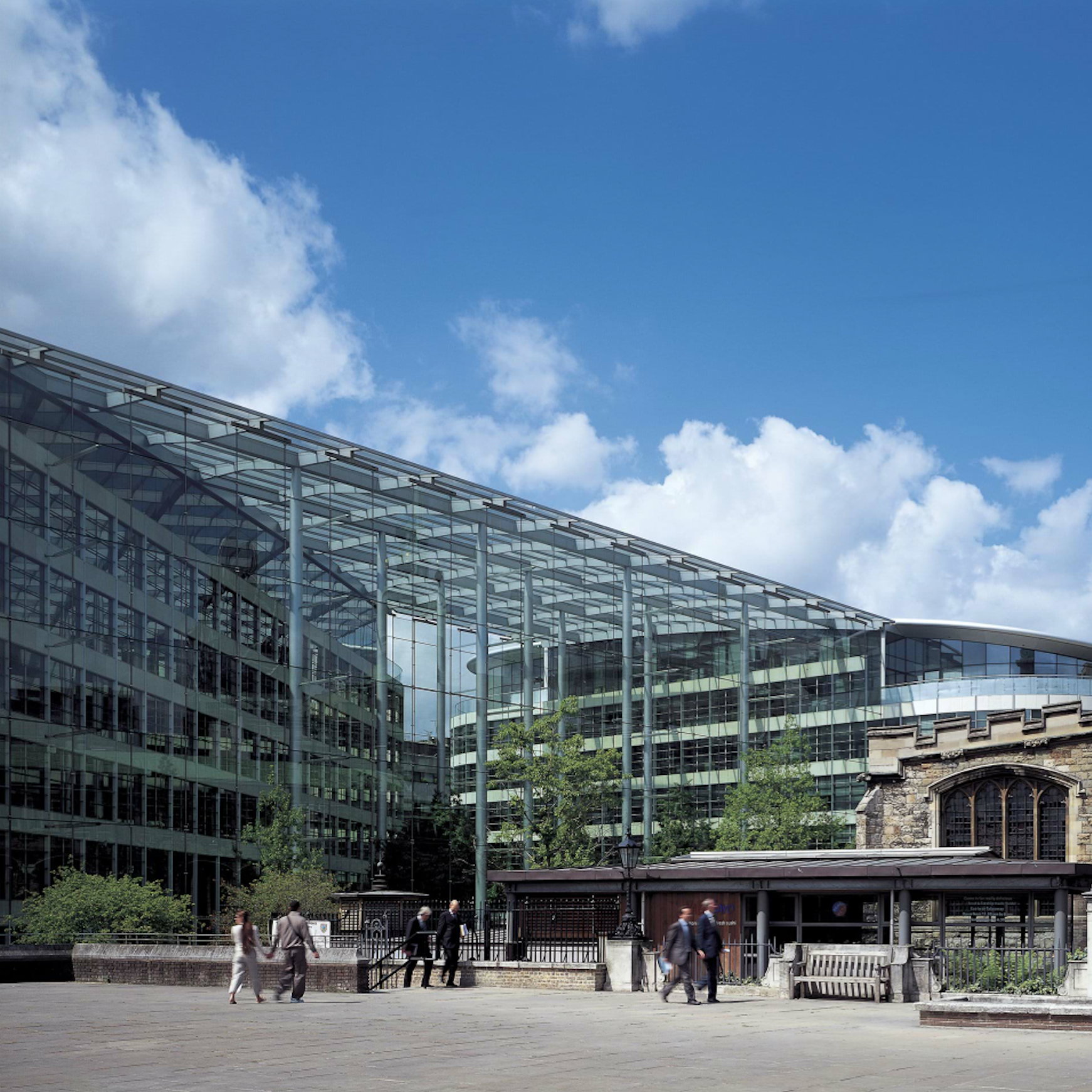
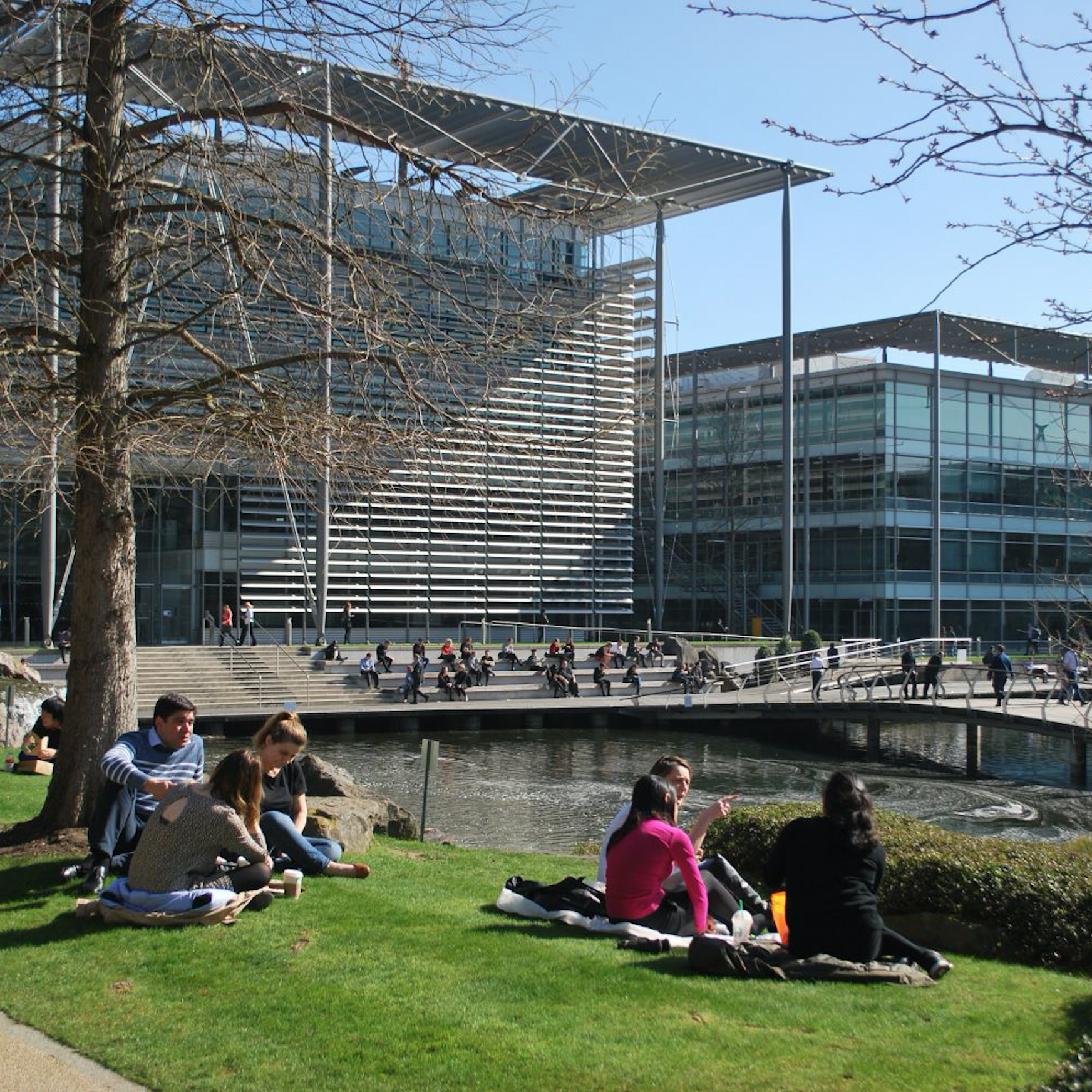
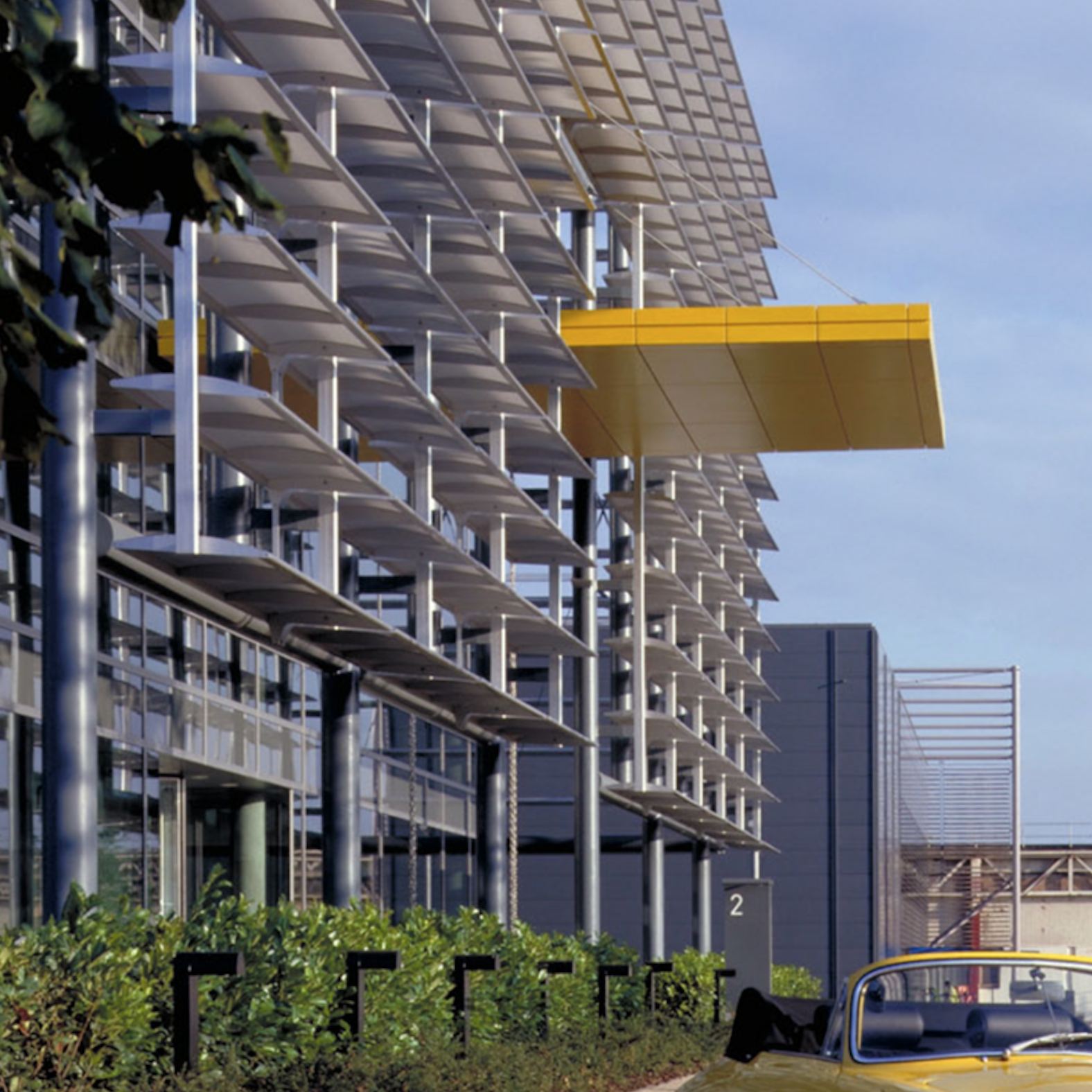
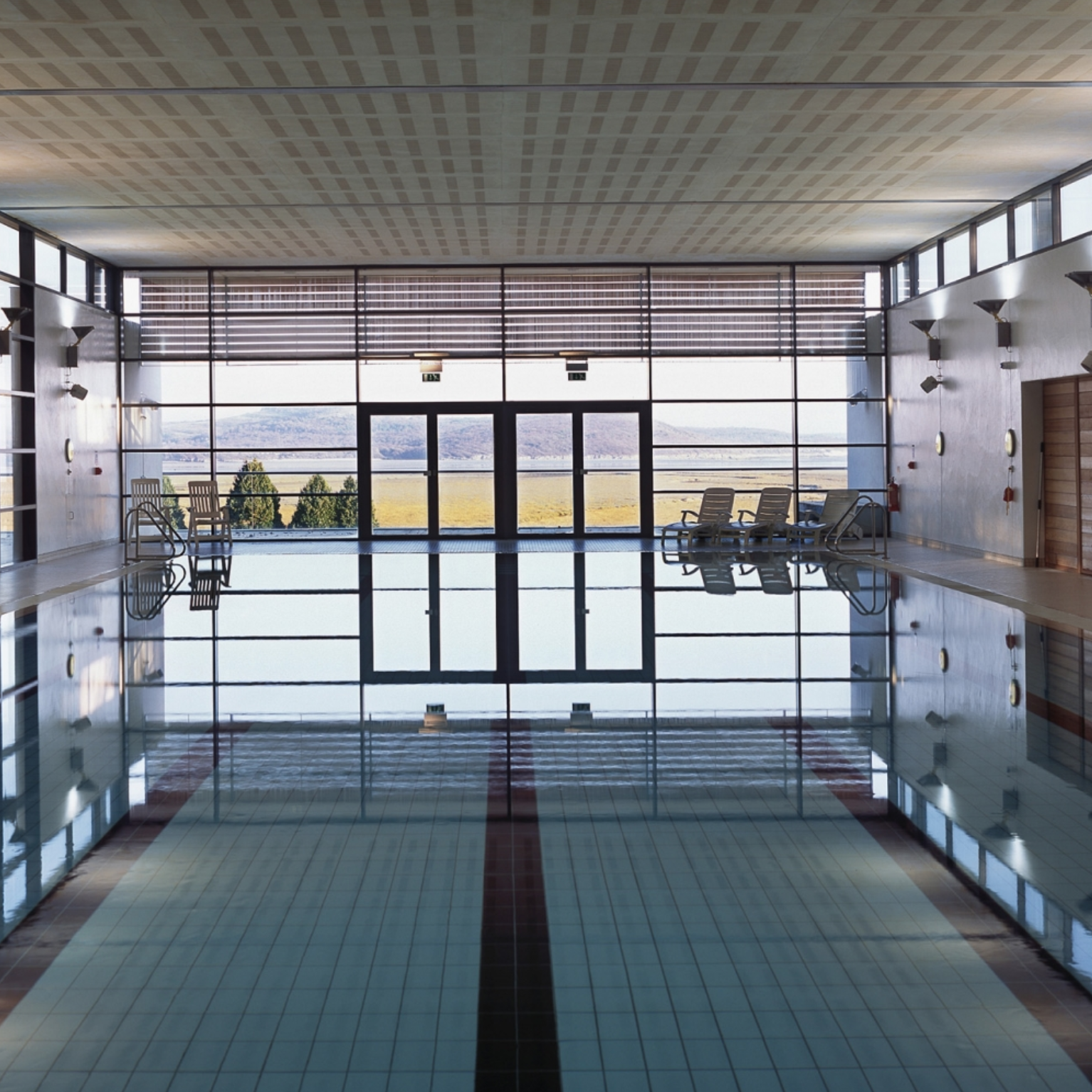
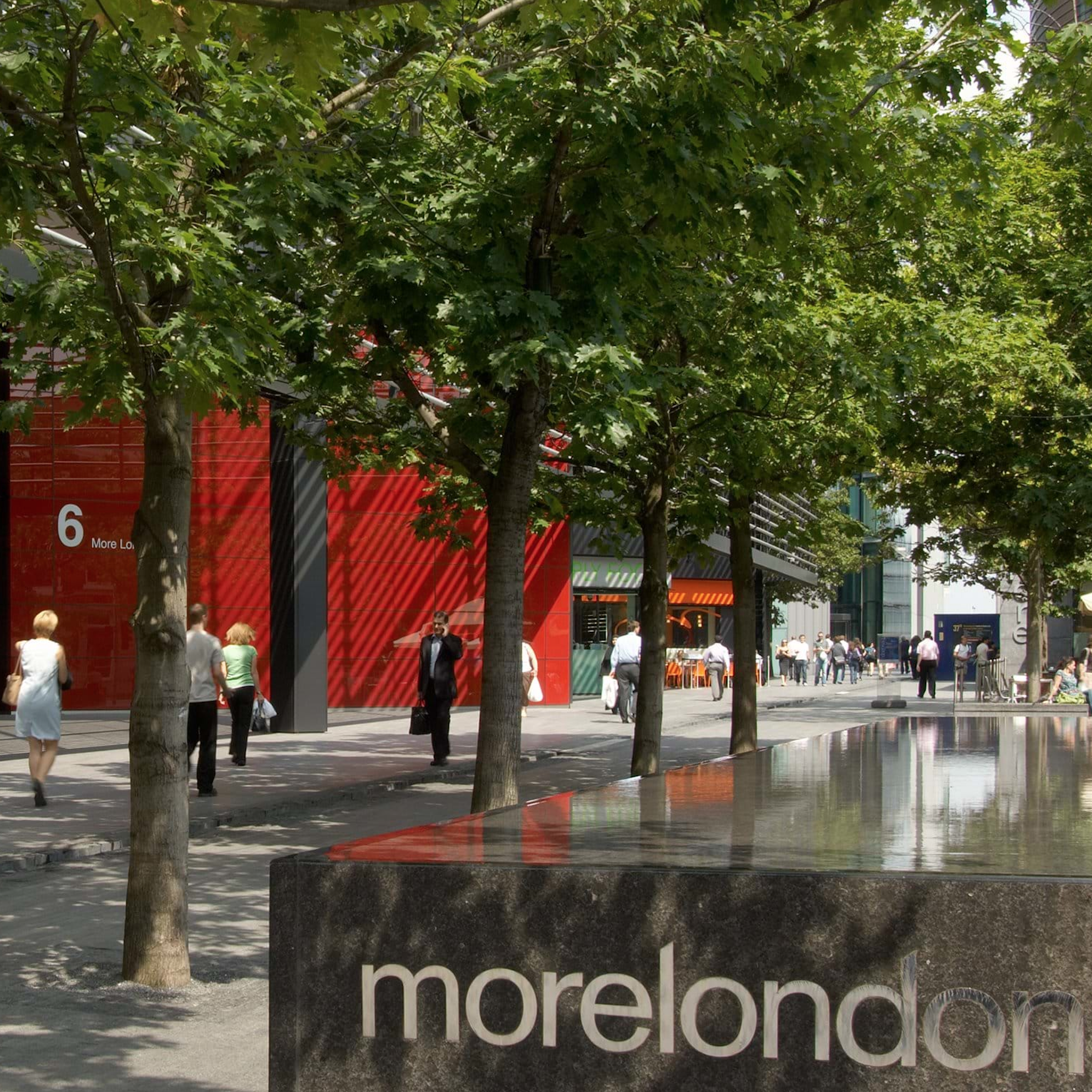
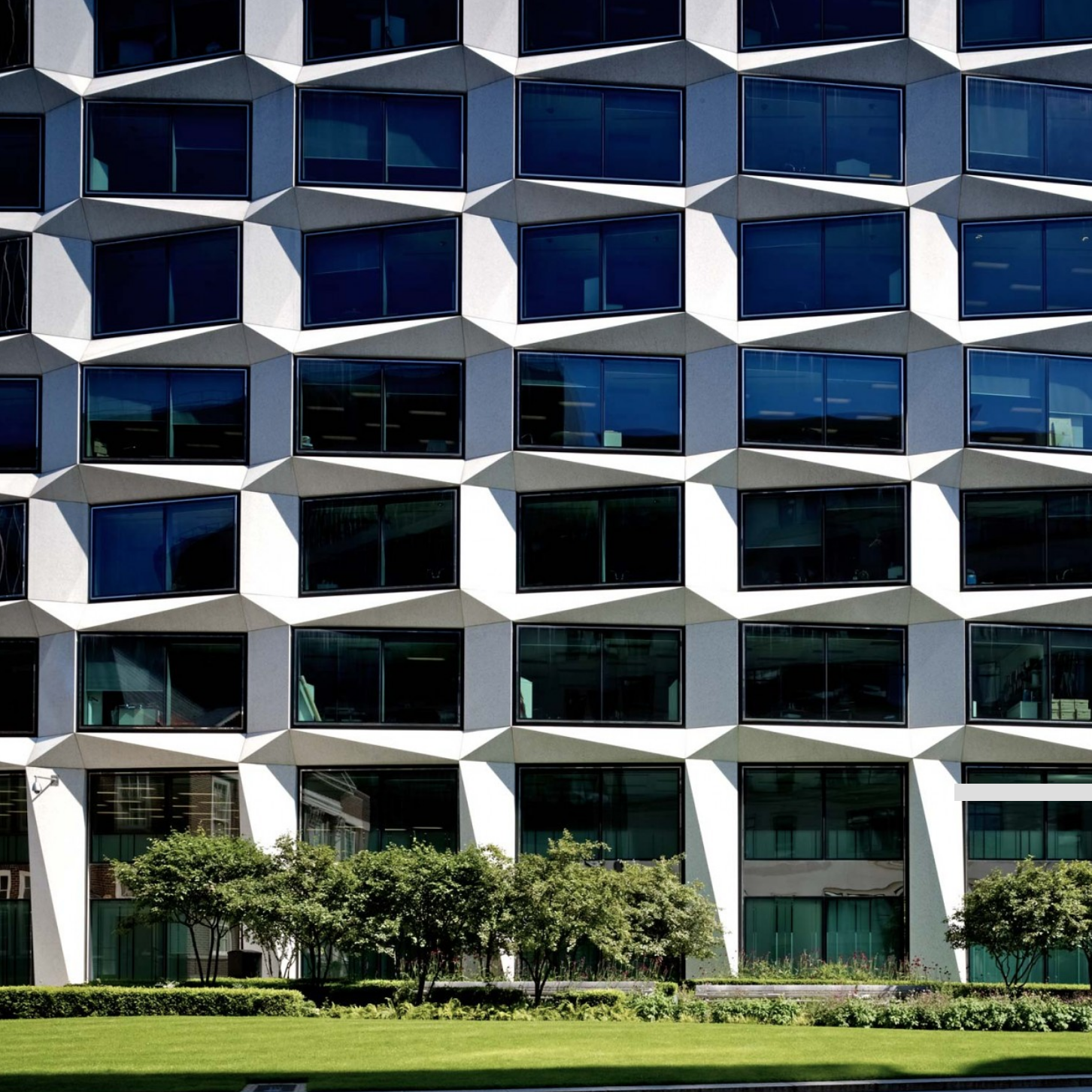
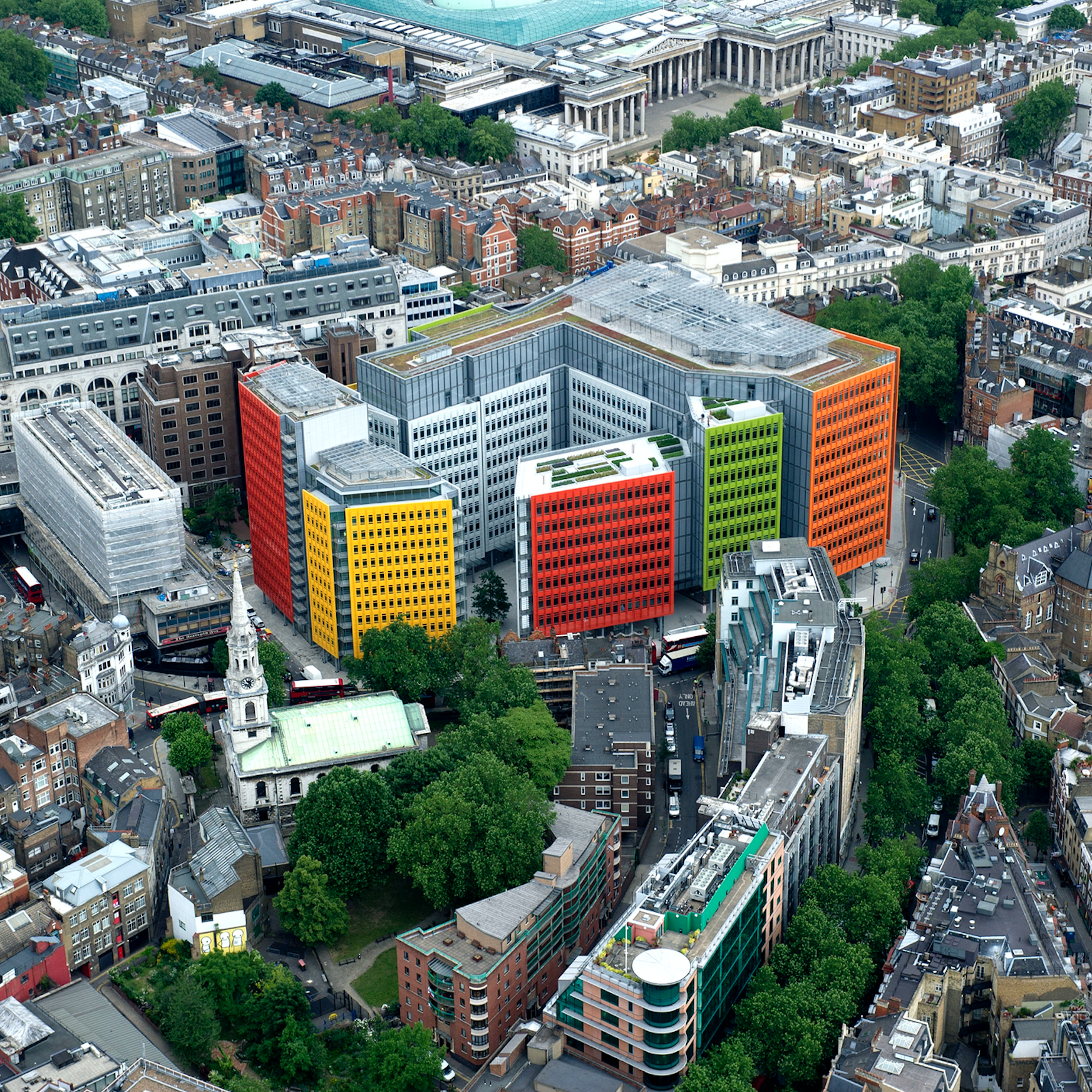
I have had the privilege of contributing to many remarkable projects with talented colleagues and clients. A selection is included below, with links to the architects and organisations involved. They represent different building types, different scales and different stages of my career, but they all reinforced the same lesson:
Great projects are built by people who never stop learning.